Pangpei: Technological Ethics and Civilizational
Pang Pei
(China Zhi Gong Party Central Cultural Committee)
As we mark the 80th anniversary of the victory in the World Anti-Fascist War, the pain of war remains vivid. The souls permanently scarred by war, as depicted by Hemingway, continually remind us that war brings about the dual destruction of both body and mind. When the "Global Drone Unlimited Combat Championship" takes center stage with its dazzling technological showdowns, an unprecedented possibility emerges: can war finally escape the brutality of bloodshed and determine victory through non-contact combat? This is not just a leap in technology, but a profound questioning of the essence of war and the fate of human civilization.
From a deep cultural anthropological perspective, drone racing, hunting, and warfare all stem from human aggression. They fight for interests, dignity, and order, carrying a sense of crisis and ancient symbolism. Drone racing incorporates this ancient impulse into the modern arena with "game rationality," ingeniously blending the game spirit of prehistoric culture with the legal connotations of natural justice. It also transforms the ritualistic elements of Western dueling culture into a natural, aesthetic expression. This transformation is not a simple replication of violence but a creative "dissolution" of extreme struggle impulses through civilization - resolving extreme struggles in a gamified manner amidst the roar of virtual combat, suspending real killing.
Technology has created a "non-contact" battlefield far from human bodies, with its core ethical dilemma being: can the power of life and death decisions be delegated to algorithms? Will the abuse of autonomous weapons trigger a new type of rule-less arms race? However, technology can also be used for good. If artificial intelligence is subject to strict war ethics and international norms, it can become a powerful tool for "offset strategy games" - as demonstrated by the US military's AI-driven F-16 air combat tests or China's military modernization process, using disruptive technologies to establish asymmetric advantages, replacing hot war confrontations with "war game"-style technological competitions, determining victory and defeat on drone tracks or virtual sandboxes.
Without sending soldiers to the battlefield, without war casualties, advanced military technologies can be opened up to civilians, benefiting current humanity, and strategically reserving space technology for future generations to deal with potentially larger disasters that Earth may face in the future.
The concept of a community with a shared future for mankind is precisely the modern echo of this Eastern wisdom—it requires us to transcend zero-sum games and transform the "win-lose mentality" of technological confrontation into a "force for good" that fosters collaboration and mutual benefit. Now, as the risks of AI militarization grow ever larger, only through international cooperation can we build a strategic stability framework of "forward defense," uphold ethical principles first, and establish binding global guidelines to truly make the drone arena the end of human violence.
When drones light up the track, humans extinguish the fires of war on the battlefield - this is not only a victory of technology, but also civilization's triumph over its own violent genes.
(China Zhi Gong Party Central Cultural Committee)
As we mark the 80th anniversary of the victory in the World Anti-Fascist War, the pain of war remains vivid. The souls permanently scarred by war, as depicted by Hemingway, continually remind us that war brings about the dual destruction of both body and mind. When the "Global Drone Unlimited Combat Championship" takes center stage with its dazzling technological showdowns, an unprecedented possibility emerges: can war finally escape the brutality of bloodshed and determine victory through non-contact combat? This is not just a leap in technology, but a profound questioning of the essence of war and the fate of human civilization.
From a deep cultural anthropological perspective, drone racing, hunting, and warfare all stem from human aggression. They fight for interests, dignity, and order, carrying a sense of crisis and ancient symbolism. Drone racing incorporates this ancient impulse into the modern arena with "game rationality," ingeniously blending the game spirit of prehistoric culture with the legal connotations of natural justice. It also transforms the ritualistic elements of Western dueling culture into a natural, aesthetic expression. This transformation is not a simple replication of violence but a creative "dissolution" of extreme struggle impulses through civilization - resolving extreme struggles in a gamified manner amidst the roar of virtual combat, suspending real killing.
Technology is reshaping the nature of warfare with unprecedented "intrusiveness." From the combination of drones and unmanned boats on the Ukrainian battlefield revolutionizing combat modes, to the "macroscopic view" incorporating electromagnetic, cyber, and outer space into the battlefield; from "new cognitive domain warfare" targeting opponents' will and beliefs, to "virtual societal warfare under intelligent unmanned perspectives" opening up new dimensions of confrontation.
Technology has created a "non-contact" battlefield far from human bodies, with its core ethical dilemma being: can the power of life and death decisions be delegated to algorithms? Will the abuse of autonomous weapons trigger a new type of rule-less arms race? However, technology can also be used for good. If artificial intelligence is subject to strict war ethics and international norms, it can become a powerful tool for "offset strategy games" - as demonstrated by the US military's AI-driven F-16 air combat tests or China's military modernization process, using disruptive technologies to establish asymmetric advantages, replacing hot war confrontations with "war game"-style technological competitions, determining victory and defeat on drone tracks or virtual sandboxes.
Without sending soldiers to the battlefield, without war casualties, advanced military technologies can be opened up to civilians, benefiting current humanity, and strategically reserving space technology for future generations to deal with potentially larger disasters that Earth may face in the future.
Although the technical path has become apparent, its spiritual foundation is deeply rooted in ancient wisdom and contemporary ideals of the human community. Laozi's "non-contention" philosophy resonates like a great bell, directly pointing to the extreme form of "contention"—the harm of war—and calling for major countries to take on the responsibility of "being able to entrust the world." This remarkably converges with the dilemma and solution revealed in the American sci-fi blockbuster "Alien: Covenant": when humanity faces a lack of faith and future disasters, the only right path is to transcend divisions and unite to address common crises.
The concept of a community with a shared future for mankind is precisely the modern echo of this Eastern wisdom—it requires us to transcend zero-sum games and transform the "win-lose mentality" of technological confrontation into a "force for good" that fosters collaboration and mutual benefit. Now, as the risks of AI militarization grow ever larger, only through international cooperation can we build a strategic stability framework of "forward defense," uphold ethical principles first, and establish binding global guidelines to truly make the drone arena the end of human violence.
The indicator lights on the drone race track have turned on, and their significance extends far beyond a mere technological competition. It is an ethical path through the fog of war, pointing towards a peaceful future of non-contact confrontation. When victory and defeat no longer hinge on lives, when great powers can lead humanity's shared destiny with the responsibility of "non-contention," the sharp edge of technology can truly transform into a sturdy shield to protect civilization. On this track, what we should be competing for is not the power of destruction, but the wisdom of creation and the courage of coexistence—this is the civilizational posture humans should adopt when facing the endless expanse of the cosmos.
When drones light up the track, humans extinguish the fires of war on the battlefield - this is not only a victory of technology, but also civilization's triumph over its own violent genes.
责任编辑:P ang pei
相关阅读

5月16日,海拔3600米的中国人民解放军西藏军区总医院手术室内,一台名为锟铻®的骨科手术机器人稳稳运转。这是全球首创五合一全骨科手术机器人完成系统升级后首次在拉萨临
2026-05-20 11:52:33

“你的梦想是什么?”——戴着标志性的大红色礼帽,意大利摄影师埃琳娜·吉沃尼(Elena Givone)5月又一次穿梭于山城重庆的街巷,用镜头定格民众的“许愿”模样,并邀请他们执笔写下梦想。
2026-05-18 16:04:37

展览追溯陆蓉之逾五十年的艺术、评论与策展实践,同时提出一个面向当代的重要问题:在人工智能时代,人类主体性、作者身份与文化记忆将如何被重新阅读与重新理解。
2026-05-15 16:53:00
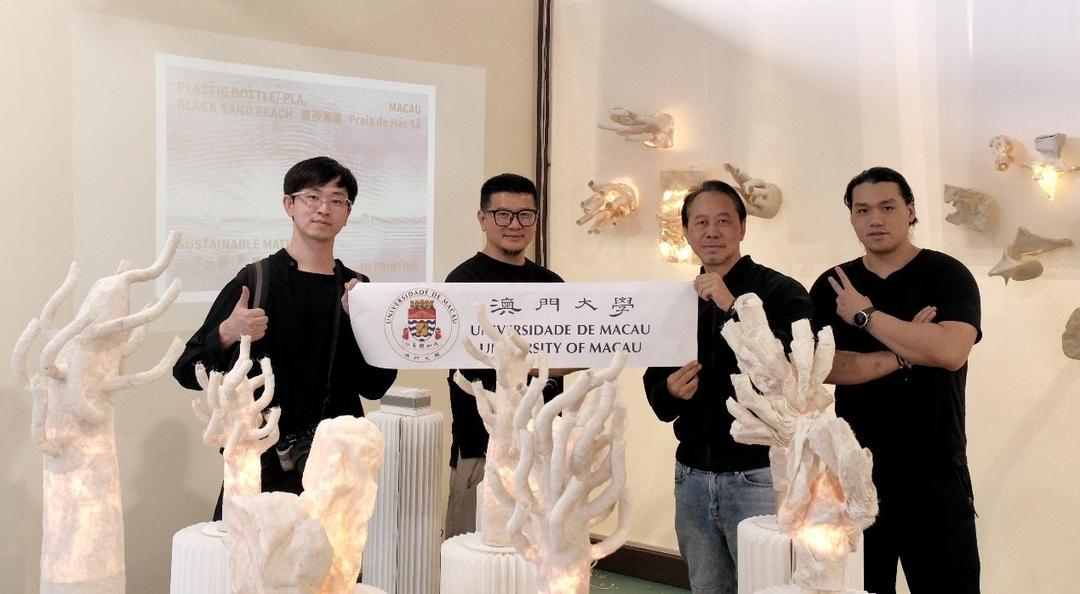
澳門大學人文學院藝術與設計系獲邀參與2026米蘭設計周核心展區——米蘭國際傢俱展(Salone del Mobile.Milano)之米蘭衛星展(SaloneSatellite),成為首間獲邀參展的澳門高校,與多所國際知名設計院校同場
2026-05-11 10:08:01

持续为数字娱乐消费与变现的结构性增长提供坚实基础。根据MPA数据,印尼人口预计将由2025年的2.84亿增长至2030年超过2.97亿;与此同时,城市化进程加快,城市人口比例从2020年的56.6%上升至2024年的59.2
2026-04-28 09:39:20

启东,长江、黄海和东海在这里相聚,三水交汇、南北交融,独特的地理位置让这片土地兼具江南的妩媚清新和北方的大气豪迈。每年清明时分,这座年轻的沙地之城,便笼罩在一层慎终追远的肃穆与温情之中。
2026-04-20 10:24:05

头条阅读